Common Conditions That People with Arthritis Complain Of – What is Arthritis and What Causes It?
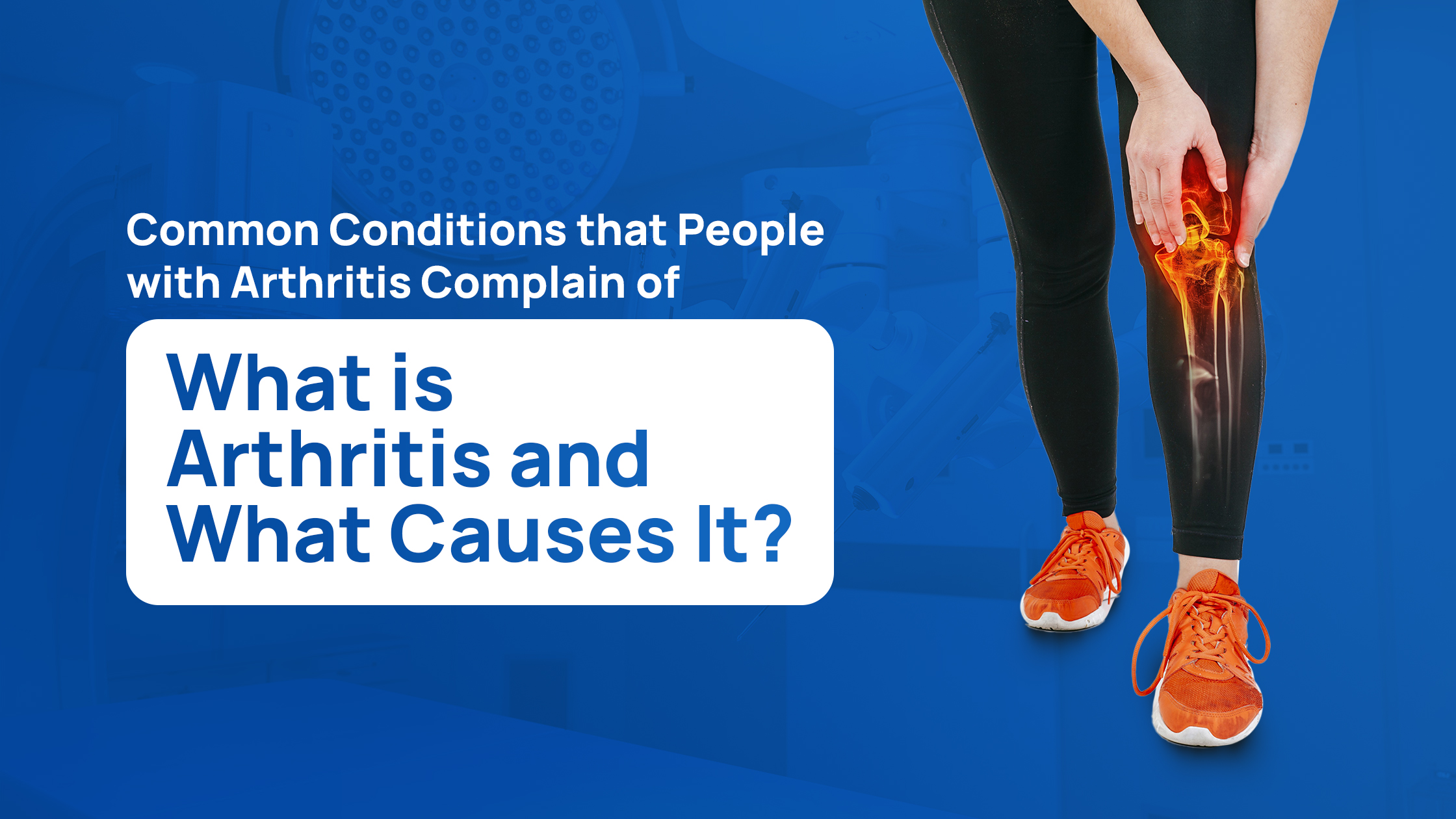
Why do so many people, especially after 40, start experiencing joint pain, stiffness, or swelling? Could it be arthritis?
As an orthopedic surgeon, I meet patients every day who walk into my clinic saying, “My knees hurt when I climb stairs,” or “My fingers feel stiff every morning.”
More often than not, these are early signs of arthritis — a condition that affects millions of people worldwide but is often misunderstood or ignored until it becomes severe.
Understanding What Arthritis Really Is
The word “arthritis” simply means inflammation of the joints. But arthritis isn’t just one disease — it’s an umbrella term for over 100 different joint-related disorders that affect movement, flexibility, and overall quality of life.
Each joint in your body is a marvel of design — made up of cartilage, bone, fluid, and ligaments that work in harmony to allow smooth motion.
When inflammation sets in, this harmony is disrupted, leading to pain, swelling, stiffness, and reduced range of motion.
Common Symptoms Patients Complain Of
When I ask my patients to describe their discomfort, these are some of the most common symptoms they report:
- Joint Pain: Especially in the knees, hips, shoulders, or small joints of the fingers.
- Stiffness: Particularly in the morning or after long periods of sitting.
- Swelling & Tenderness: Joints may feel warm or puffy to touch.
- Reduced Mobility: Difficulty walking, bending, or performing daily chores.
- Cracking or Grinding Sensation: Caused by the wearing away of smooth cartilage.
- Fatigue: Ongoing inflammation can cause tiredness or a general sense of weakness.
Many people ignore these early signs, thinking it’s “just old age.” But catching arthritis early makes a world of difference — and can even slow or stop progression.
What Really Causes Arthritis?
There isn’t a single cause — it’s usually a mix of genetic, lifestyle, and environmental factors. Let’s look at the most common ones:
1. Age
As we grow older, our joints experience natural wear and tear. The protective cartilage that cushions bones begins to thin, increasing friction and pain.
2. Genetics
A family history of arthritis increases your risk. Certain genetic markers make individuals more prone to autoimmune types like Rheumatoid Arthritis.
3. Injury or Overuse
Repetitive stress — especially in athletes or physically demanding jobs — can damage joint structures over time.
4. Obesity
Excess weight adds continuous stress on weight-bearing joints like knees and hips, accelerating cartilage breakdown.
5. Autoimmune Disorders
In some cases, like Rheumatoid Arthritis, the body’s immune system mistakenly attacks healthy joint tissues, causing chronic inflammation.
6. Infections
Certain bacterial or viral infections can trigger joint inflammation known as infectious arthritis.
7. Hormonal Factors
Post-menopausal women often experience arthritis due to decreased estrogen levels, which affect bone and joint health.
The Overlooked Side of Arthritis – Emotional Impact
Arthritis doesn’t just affect the body; it also impacts the mind.
Chronic pain can lead to frustration, anxiety, or even depression, especially when mobility becomes restricted. I’ve seen patients who feel helpless because simple activities — climbing stairs, tying a shoelace, or holding a cup — become painful tasks.
Acknowledging this emotional component is vital because healing starts when we treat the person, not just the joint.
When Should You See a Doctor?
I always advise patients — don’t wait for the pain to become unbearable.
You should consult an orthopedic specialist if you experience:
- Persistent joint pain or stiffness for more than a few weeks.
- Swelling that doesn’t go away with rest or basic treatment.
- Difficulty performing daily tasks like walking or getting up from a chair.
- Pain accompanied by fever or sudden redness in the joint.
Early intervention can help manage arthritis effectively and delay progression.
Conclusion
Arthritis may be common, but it is not inevitable. Recognising its signs early and understanding its causes can empower you to take control of your joint health.
Whether your symptoms are mild or advanced, modern orthopaedics offers many treatment options — from medication and physiotherapy to regenerative techniques and joint replacement surgeries.
As I often tell my patients:
Pain is not a normal part of ageing — it’s your body asking for help. Listen to it, act early, and you can live pain-free for years to come.