
How Advanced Technology Is Revolutionizing Joint Replacement in Central India
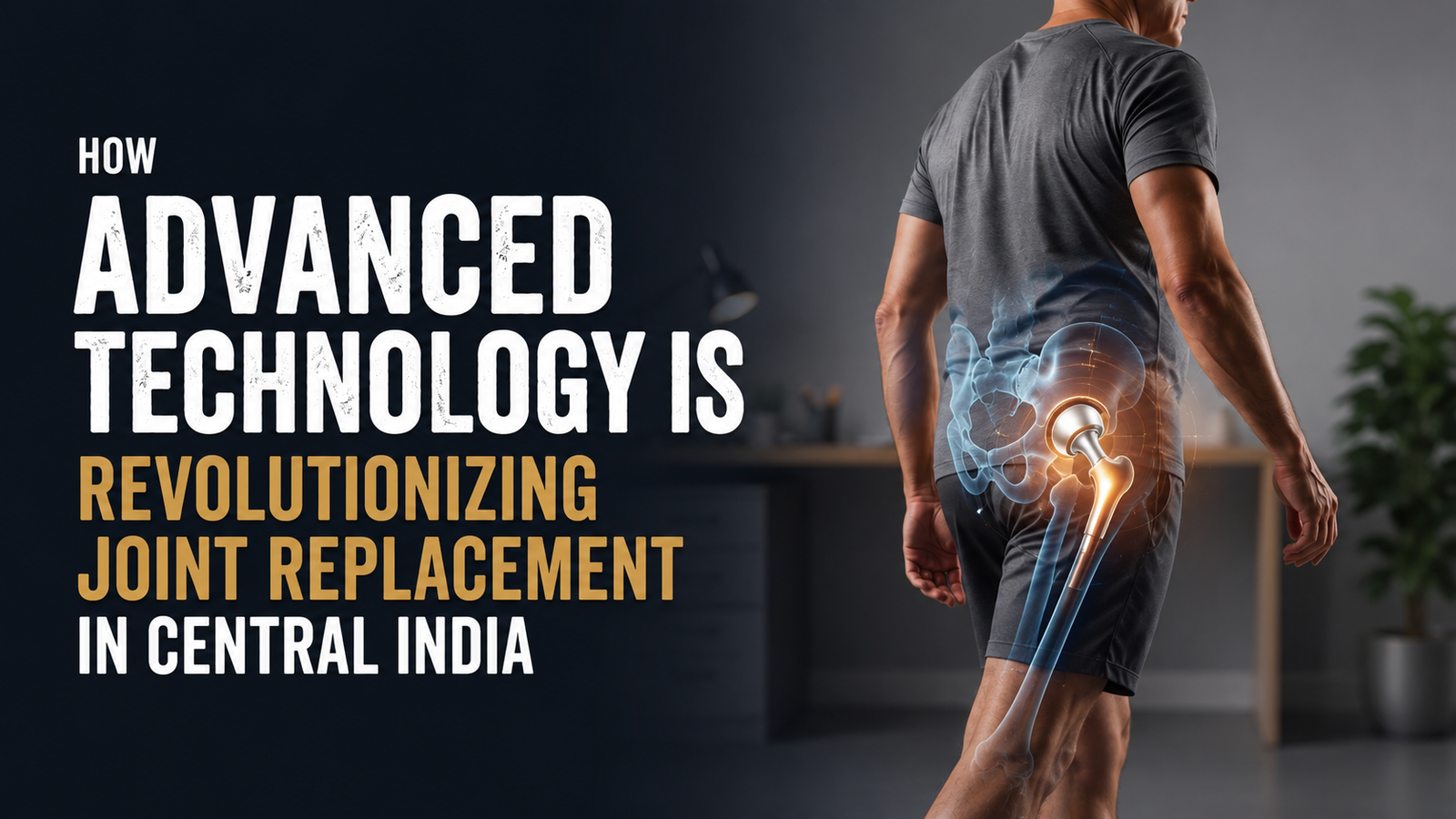
For decades, joint replacement surgery was viewed as a procedure that simply relieved pain. Today, it has evolved into something far more sophisticated.
Modern joint replacement is no longer just about replacing a damaged joint. It is about restoring natural movement, improving precision, accelerating recovery, and helping patients return to the activities they love with greater confidence.
At The Joint Replacement Centre, Dr. Mukund Agrawal has been at the forefront of bringing these technological advancements to Central India, ensuring that patients no longer need to travel to metropolitan cities to access world-class orthopaedic care.
The Evolution of Joint Replacement Surgery
Traditional knee and hip replacement surgeries have helped millions of patients worldwide. However, advancements in medical technology have transformed how these procedures are planned and performed.
Today, surgeons can use advanced robotic systems, computer-assisted planning, minimally invasive techniques, and precision-guided implant positioning to achieve outcomes that were difficult to imagine just a decade ago.
The goal remains the same: relieve pain and restore mobility.
The difference lies in how accurately and efficiently that goal can now be achieved.
The Rise of Robotic Joint Replacement
One of the most significant developments in orthopaedics has been the introduction of robotic-assisted joint replacement.
Despite the name, the robot does not perform the surgery independently. The surgeon remains in complete control throughout the procedure.
The robotic system acts as an advanced tool that helps the surgeon:
- Create a personalized surgical plan
- Analyze the patient’s unique anatomy
- Improve implant positioning accuracy
- Preserve healthy bone and soft tissues
- Enhance overall joint alignment
This level of precision allows for a more individualized surgical experience and may contribute to improved long-term outcomes.
Why Precision Matters in Joint Replacement
Even minor variations in implant positioning can affect how a joint functions over time.
Modern technology enables surgeons to make highly accurate measurements and adjustments during surgery. This precision helps achieve:
Better Implant Alignment
Proper alignment helps the artificial joint function more naturally and reduces unnecessary stress on surrounding structures.
Improved Joint Balance
Advanced systems allow surgeons to evaluate soft tissue tension throughout the procedure, helping create a more balanced and stable joint.
Personalized Treatment
No two patients have identical anatomy. Modern technology allows surgery to be tailored to the individual rather than relying on a one-size-fits-all approach.
Minimally Invasive Techniques: Smaller Incisions, Faster Recovery
Technology has also enabled the growth of minimally invasive joint replacement procedures.
These techniques focus on reducing disruption to muscles, tendons, and soft tissues surrounding the joint.
Potential benefits include:
- Reduced post-operative pain
- Less blood loss
- Faster rehabilitation
- Shorter hospital stay
- Earlier return to daily activities
For many patients, this means regaining independence sooner than they expected.
Advanced Technology Beyond the Operating Room
The revolution in joint replacement does not stop when surgery ends.
Modern rehabilitation programs now use:
Digital Recovery Monitoring
Patients can track progress more effectively and receive structured guidance throughout recovery.
Personalized Physiotherapy Protocols
Recovery plans are increasingly customized based on age, lifestyle, fitness level, and surgical outcomes.
Data-Driven Decision Making
Technology helps surgeons monitor recovery milestones and optimize treatment at every stage.
This integrated approach improves the overall patient experience and supports long-term success.
Why Central India Is Witnessing a New Era in Orthopaedic Care
Historically, patients from Central India often traveled to larger metropolitan cities seeking advanced orthopaedic treatment.
Today, that landscape is changing rapidly.
The availability of robotic systems, internationally trained specialists, modern operating theatres, and advanced rehabilitation services has brought world-class joint replacement closer to home.
Patients can now access cutting-edge treatment while remaining close to their families and support systems throughout recovery.
Who Can Benefit from Advanced Joint Replacement Technology?
These innovations may benefit patients suffering from:
- Advanced knee arthritis
- Severe hip arthritis
- Chronic joint pain affecting daily activities
- Joint deformities
- Reduced mobility and stiffness
- Failed conservative treatments
The best treatment option depends on a detailed evaluation, imaging studies, physical examination, and discussion of the patient’s goals.
The Future of Joint Replacement Has Already Arrived
Joint replacement surgery continues to evolve at an extraordinary pace.
Robotic assistance, precision planning, minimally invasive techniques, and personalized rehabilitation are reshaping what patients can expect from orthopaedic treatment.
For individuals struggling with persistent knee or hip pain, modern technology offers more than symptom relief. It offers the possibility of returning to an active, independent, and pain-free life.
At The Joint Replacement Centre, Dr. Mukund Agrawal combines international training, advanced technology, and patient-centered care to bring the future of joint replacement to Central India—one successful surgery at a time.
